
Health
Blood Glucose Monitor buying guide
A blood glucose monitor (glucometer) measures the sugar in a small drop of blood from your fingertip. The meter is bought once but the test strips are bought again and again, so choose a meter whose strips are easy to find and affordable where you live.
Updated · 3 min read
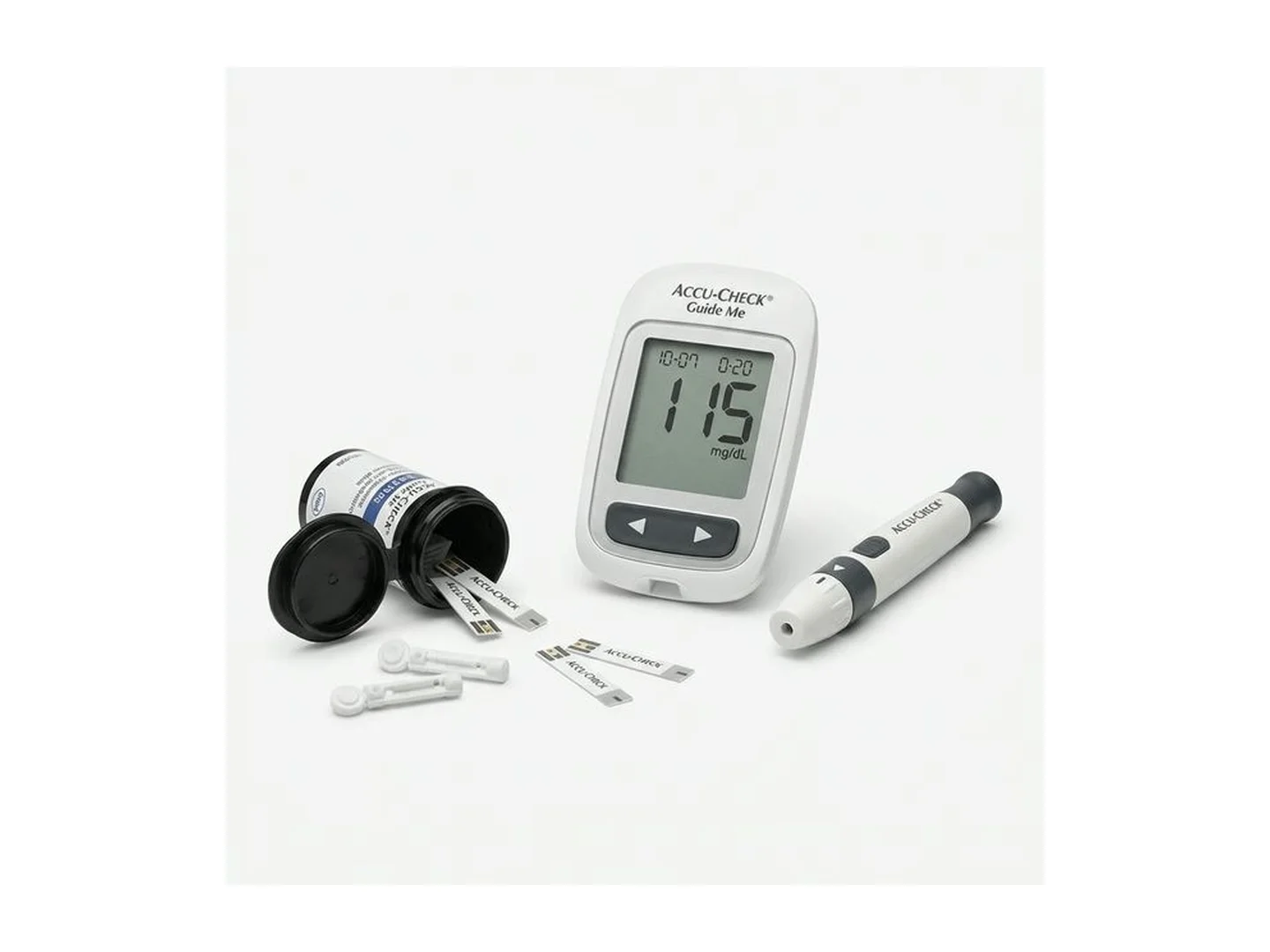
At MachineWura today
GH₵ 95 · 1 in stock
Quick answer
- The meter is a one-time cost. The test strips are what you keep buying. Check their price and whether you can get them easily before choosing a meter.
- Each meter works only with its own strips.
- Choose a meter with memory, a clear display and a small blood sample.
- A kit should include the meter, strips, a lancing device and lancets.
- A home meter supports your care. Your doctor or nurse decides your targets and treatment.
This guide helps you choose a device. It is not medical advice.
What is in a kit
| Part | What it does |
|---|---|
| Meter | You insert a strip; it shows your blood sugar number |
| Test strips | A drop of blood goes on the strip. One strip per test |
| Lancing device | A pen-shaped holder that makes a quick, shallow prick |
| Lancets | The small needles for the lancing device. One per test |
| Case | Keeps everything together and clean |
What to look for
Strip cost and supply. Ask the price of a box of strips and how many are in it. Ask whether the shop keeps them in stock. A cheap meter with expensive or hard-to-find strips costs more in the end.
Easy to read. Large numbers and a lit screen help, especially for older users.
Small blood sample. Meters that need less blood mean a shallower prick and fewer failed tests.
Fast result. Most show a result within about five to ten seconds.
Memory. Stores results with date and time, so you and your doctor can see the pattern. Some show averages over a week or month.
No coding. Older meters needed a code entered for each new box of strips. A no-coding meter removes that step and a possible mistake.
The unit. Meters show results in mmol/L or mg/dL. Use the unit your clinic uses, so your numbers match theirs.
Batteries. Check which type it uses and that you can buy them locally.
How to test
- Wash your hands with soap and warm water and dry them well. Sugar from food on your fingers gives a false high reading.
- Put a new lancet in the lancing device.
- Push a strip into the meter. It switches on.
- Prick the side of a fingertip.
- Touch the drop of blood to the end of the strip until the meter beeps or starts counting.
- Read and note the result, or let the meter store it.
- Put the used lancet and strip in a closed container, out of reach of children.
Looking after strips
Strips are sensitive. Keep them in their own tube with the lid closed tight. Heat and damp spoil them, so do not leave them in a hot car, a kitchen or a bathroom. Check the expiry date, and note the date you opened the tube: many must be used within a few months of opening.
Understanding results
Your healthy range depends on whether you have eaten, your age and your health. Ask your doctor or nurse what numbers to aim for and what to do if a reading is very high or very low. If you feel unwell, seek care; do not wait for the meter.
Common mistakes
- Buying the meter without checking strip prices.
- Testing with unwashed hands.
- Using expired or badly stored strips.
- Reusing lancets.
- Squeezing the finger hard, which can affect the result. Warm your hands and let the drop form.
Care
Keep the meter clean and dry in its case. Wipe it with a slightly damp cloth; do not get liquid in the strip slot. Replace the battery when the symbol shows.
Also monitoring blood pressure? Read our blood pressure monitor guide.
Ask us which strips a meter uses and whether we have them: WhatsApp MachineWura on 0550 314 351.
Blood Glucose Monitor in stock at MachineWura
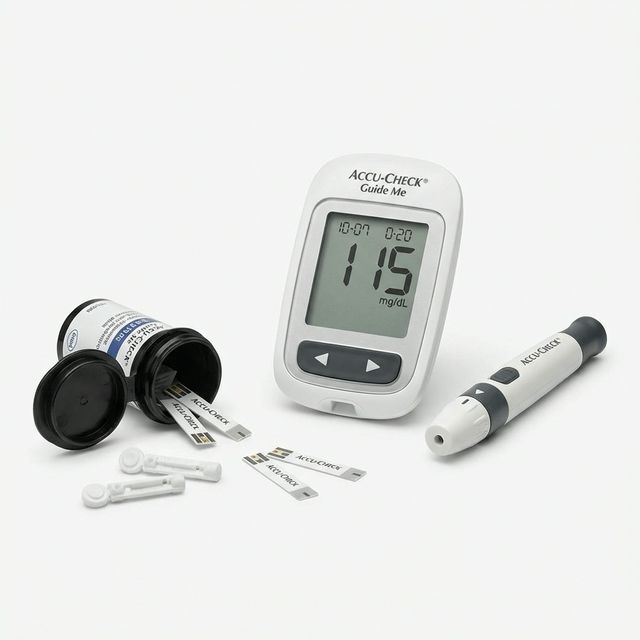
Typical blood glucose monitor specifications
| In a kit | |
|---|---|
| Meter | Reads the test strip and shows the result |
| Test strips | One per test; each meter uses its own strips |
| Lancing device and lancets | Makes the small prick for a drop of blood |
| Useful features | |
| Memory | Stores past results with date and time |
| Small blood sample | Less blood needed per test |
| No coding | No setup step when you open new strips |
Questions people ask
Which test strips do I need?
Only the strips made for your meter's exact brand and model. Strips from another meter will not work or will give wrong results. This is why you should check strip price and availability before choosing a meter.
How often should I test?
That depends on your treatment and your doctor's advice. Some people test several times a day, others a few times a week. Ask your doctor or nurse for a plan.
Does the finger prick hurt?
It is a quick pinch. It hurts less if you prick the side of the fingertip rather than the pad, use a fresh lancet each time, and set the lancing device to the shallowest depth that still gives a drop.
Why does my meter show an error?
The usual causes are too little blood on the strip, an expired or damp strip, a strip not pushed in fully, or a low battery. Repeat with a new strip and a full drop.
Can I reuse a test strip or lancet?
No. A strip works once only. Lancets should be used once and never shared, because a used lancet is blunt, hurts more and can spread infection.
Still deciding?
Tell us your budget and how you'll use it, and we'll tell you what's in stock and what we can source. WhatsApp 0550 314 351, or shop health.