
Health
Blood Pressure Monitor buying guide
A home blood pressure monitor lets you check your blood pressure yourself and share the readings with your doctor or nurse. An upper arm monitor with a cuff that fits your arm is the usual recommendation; a wrist monitor is easier to carry but needs more care to use correctly.
Updated · 3 min read
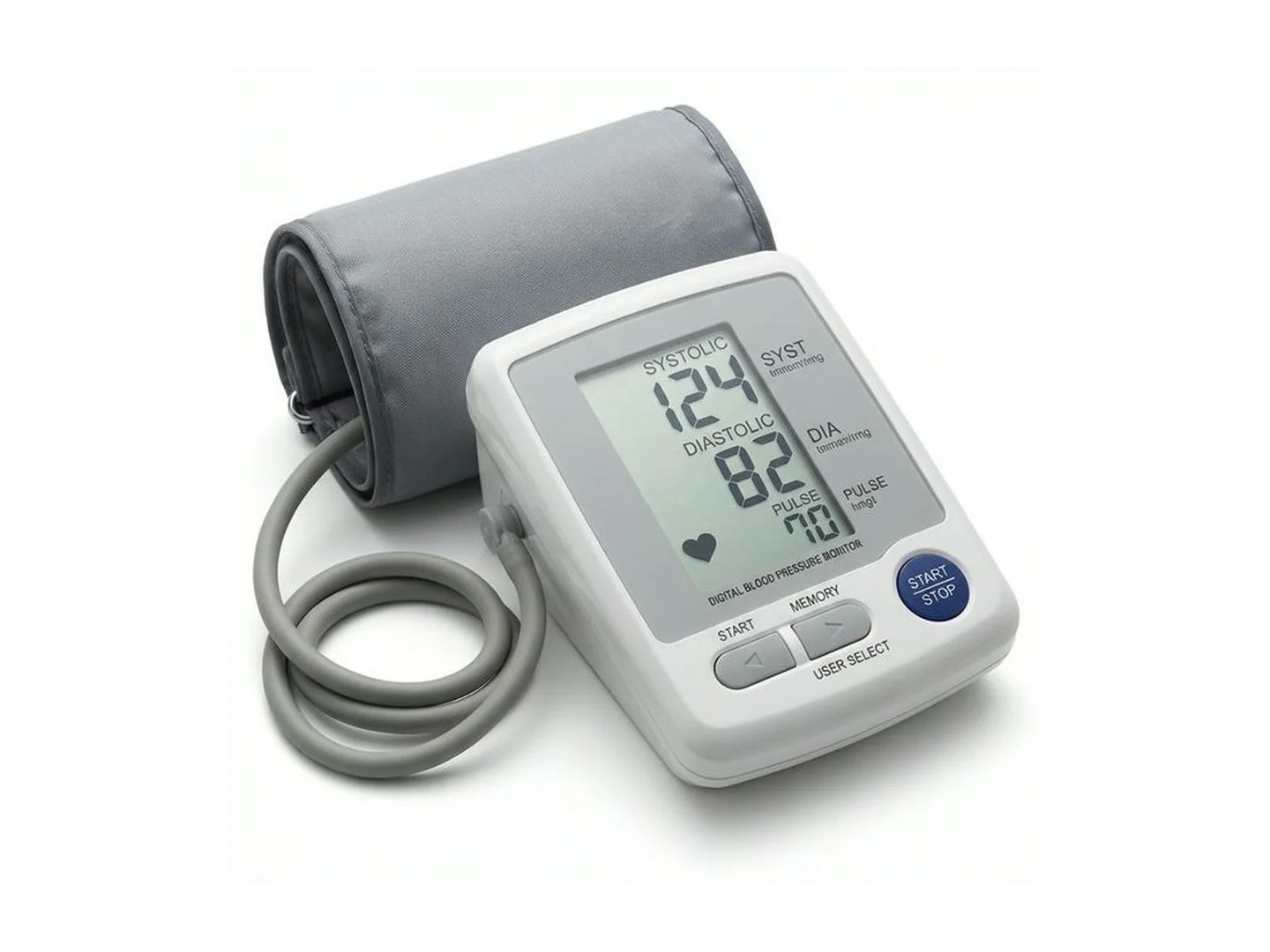
At MachineWura today
GH₵ 80 to GH₵ 120 · 2 in stock
Quick answer
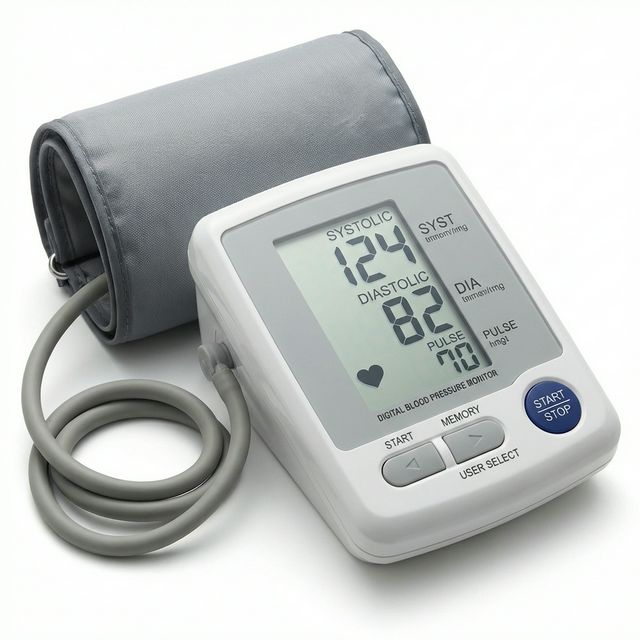
- For home use, an upper arm monitor is the type health professionals usually recommend.
- The cuff must fit your arm. Measure your upper arm and check it falls inside the range printed on the cuff.
- Choose one with memory, so you can show your doctor readings over several days.
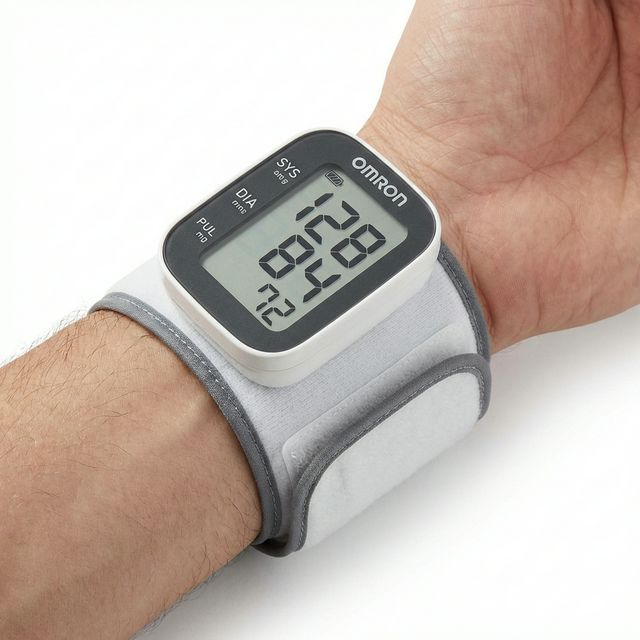
- A wrist monitor is smaller and easier to put on, but it only reads correctly with your wrist held at heart level.
- A home monitor supports your care. It does not replace your doctor or nurse.
This guide helps you choose a device. It is not medical advice. Ask a health professional how often to measure and what your readings mean for you.
Arm or wrist
| Upper arm monitor | Wrist monitor | |
|---|---|---|
| How it is worn | Cuff around the arm above the elbow | Unit strapped to the wrist |
| Ease of correct use | Easier | Needs the wrist kept at heart level |
| Size | Larger | Small, good for travel |
| Suits | Most people | People whose arm does not fit a cuff, or who struggle to put a cuff on |
What to look for
Cuff size. The most important point. Standard cuffs fit most adults. Larger arms need a large cuff. Check the range in centimetres on the cuff or box.
A clear display. Large numbers are easier to read, especially for older users.
Memory. The monitor saves readings with the date and time. Models for two users keep a couple's readings apart.
One-button use. Press once, sit still and wait.
Average reading. Some show the average of your last few readings, which is more useful than one number.
Irregular heartbeat alert. Some monitors show a symbol if the heartbeat was uneven during the reading. Tell your doctor if you see it often.
Power. Most use AA or AAA batteries. A mains or USB adapter saves batteries if you measure daily.
Clinical validation. Some monitors have been independently tested for accuracy. Ask whether the model is validated. You can also take your monitor to a clinic and compare it with theirs.
How to take a good reading
- Avoid tea, coffee, food, smoking and exercise for 30 minutes before.
- Empty your bladder, then sit quietly for five minutes.
- Sit with your back supported and both feet flat on the floor. Do not cross your legs.
- Put the cuff on bare skin, not over a sleeve.
- Rest your arm on a table so the cuff is level with your heart.
- Stay still and do not talk while it measures.
- Take a second reading after one minute and write both down, or let the memory store them.
Understanding the numbers
The monitor shows two numbers. The top number is the pressure when your heart beats. The bottom number is the pressure between beats. It also shows your pulse.
What counts as healthy for you depends on your age and health. Ask your doctor or nurse for your target, and when they want to hear from you.
Common mistakes
- Wrong cuff size.
- Measuring over clothing.
- Arm hanging down or held up, not resting at heart level.
- Talking, or measuring straight after walking in.
- Worrying over one high reading. Rest and measure again.
Care
Keep the monitor in its case, away from heat and damp. Do not fold the cuff sharply or twist the tube. Change the batteries when the low battery symbol shows; weak batteries can affect readings.
Also checking blood sugar at home? Read our blood glucose monitor guide.
Send us your upper arm measurement and we will confirm the cuff size: WhatsApp MachineWura on 0550 314 351.
Blood Pressure Monitor in stock at MachineWura
Typical blood pressure monitor specifications
| Types | |
|---|---|
| Upper arm | Cuff wraps around the arm above the elbow |
| Wrist | Small unit worn on the wrist |
| Useful features | |
| Memory | Stores past readings with date and time |
| Two users | Keeps two people's readings apart |
| Large display | Easier to read |
Questions people ask
Is an arm or wrist blood pressure monitor better?
Upper arm monitors are the type health professionals usually recommend for home use, because they are less sensitive to how you hold your arm. Wrist monitors can be useful when an arm cuff does not fit or for travel, but your wrist must be held at heart level every time.
How do I know the cuff fits?
Measure around the middle of your upper arm with a tape measure. The cuff has a size range printed on it; your measurement should fall inside it. A cuff that is too small or too large gives wrong readings.
When should I take my blood pressure?
Follow your doctor's advice. A common routine is the same times each day, such as morning and evening, after sitting quietly for five minutes, before food, tea, coffee or exercise.
Why are my readings different each time?
Blood pressure changes through the day and with movement, talking, stress and a full bladder. Sit still, rest your arm at heart level, wait a minute between readings and compare the pattern over days, not a single number.
Can a home monitor replace seeing a doctor?
No. It helps you and your doctor follow your blood pressure between visits. Do not start, stop or change medicine because of home readings without speaking to a health professional, and seek care quickly if you feel unwell.
Still deciding?
Tell us your budget and how you'll use it, and we'll tell you what's in stock and what we can source. WhatsApp 0550 314 351, or shop health.